
Guides
Ride a Dino beginner guides: what to do in your first session, how to plan an egg route, when to reroute, platform tips and six-player group play.
Introduction
Ride a Dino was launched on 2026-09-18 and last updated on 2026-10-12, and its official description is short enough to read in one sitting, which is exactly why a guide section matters. The game tells you what the loop is and almost nothing about how to move through it efficiently. You explore the map for hidden dino eggs, hatch them into dinosaurs that come out with better speed and better rarity, ride the fast ones so you can reach eggs that were previously out of range, mutate them to push speed higher still, and collect the rare results. Speed is the only stat the game officially names, and it doubles as your map key, so every decision a guide can help with comes back to one question: does this make me faster, or does it open ground I could not reach before? This section is written as method rather than as lookup tables. It covers what to actually do in your first session, how to plan an egg route instead of wandering the map, the signals that tell you to abandon a route and reroute, how the four supported platforms change the way you play, and how to organise a small group on a server that caps at six players. Nothing here names a dinosaur, an egg, a mutation or a rarity tier, because as of the 2026-10-18 data capture the developer has not published any of those names, and the game is young enough that whatever exists today can change with the next update.
Guide Tracks and When to Open Them
| Guide Track | Priority | Open It When | Decision It Unlocks |
|---|---|---|---|
| First-session walkthrough | Core | Before you leave the area you spawn in | What to do in the opening minutes, and in what order |
| Egg route planning | Core | As soon as you can ride | Whether to loop the map or sweep one region at a time |
| Reroute rules | Situational | Mid-session, when a sweep stops paying | When to abandon a route and what makes abandoning it worthwhile |
| Platform ergonomics | Situational | Before you commit to one device | How control layout changes lap length and camera habits |
| Group sessions | New | When friends join your server | How to split a six-player server without wasting slots |
Guide Library
First Session Walkthrough
The opening hour, in order
Egg Route Planning
Turn wandering into a loop
Reroute Rules
When to leave a route behind
Platform and Controls
Desktop, console, mobile, tablet
Playing With Friends
Making a six-player server work
Core Mechanics
Guides for this game are about sequence, because the loop has a direction. Exploration produces eggs, eggs produce dinosaurs, dinosaurs produce speed, and speed produces access to the eggs that were previously out of range. Break that order and the loop stalls: a player who keeps exploring on a slow mount is spending time in territory they cannot fully sweep, while a player who hatches everything and rides nothing never converts their results into reach. The game also gives a guide very little to work with in the way of published figures. As of the 2026-10-18 capture, the only stat the developer names is speed, the only stated effect of mutation is a further speed boost, and the only public game pass is Infinite Radar. So the guide that actually helps is not a table of values, it is a decision procedure: what to do first, what to leave for later, and how to tell when a route has stopped paying. Read the four sections of this category in that order and you have a working method for the whole loop rather than a list of tips.
Advantages
Ride a Dino is unusually kind to a method-first guide, because its whole progression rests on one legible question. If speed is the only stat the game officially names, then every choice can be judged against a single test: does this make me faster, or does it open ground I could not reach before? That clarity makes advice easy to apply and easy to check, and it means a guide can stay useful even after the game changes underneath it. The loop itself is short enough to hold in your head, so a new player can carry the whole thing around while playing instead of consulting a reference. The hidden-egg design also rewards anyone who plans rather than reacts, because a route you chose deliberately will out-produce a walk you drifted into. A six-player cap keeps the world quiet, so a planned sweep is rarely interrupted by strangers, and the four supported platforms mean the same account can be played wherever you happen to be. On top of that, the game is only about a month old, so reasoning travels better than any quoted number.
Challenges
The honest weakness of writing guides for Ride a Dino right now is that the game has published almost nothing to guide against. There is no official dinosaur list, no published rarity ladder, no mutation table and no egg directory, so any guide that claims to rank or index those things is inventing them. The developer's own description confirms the shape of the loop and stops there, which means this section can teach method but cannot hand over a route map with named stops. A second limitation is volatility: the game launched on 2026-09-18 and was last updated on 2026-10-12, so names, values and even the shape of individual systems can shift between updates, and anything written today should be re-checked rather than trusted indefinitely. Third, a guide cannot replace the map itself. Because eggs are hidden and found by exploration, some of the work is simply walking, and no amount of planning removes that. Finally, the numbers that would make comparisons easy, such as how much speed a mutation adds, have never been published, so advice here stays qualitative on purpose.
Frequently Asked Questions
What should I do in my first session of Ride a Dino?+
How do I plan an efficient egg route?+
When should I abandon a route and reroute?+
Does platform choice change how I should play?+
Quick Tips
Never end a session without a mount. The loop only starts moving once you are riding something, so a plain hatch that you actually use beats a rarer egg you leave sitting unused for later. Hatch early, switch the moment a result is quicker than what you are on, and treat the first hour as buying access rather than buying quality.
Judge every dinosaur against one test. Speed is the only stat the game officially names and its stated purpose is reaching eggs that are harder to find, so ask whether a new hatch can go somewhere your last one could not. If the answer is yes, ride it. If the answer is no, it is a collection piece and should be treated as one rather than as your main mount.
Mutate when speed is your bottleneck, not just when it is convenient. The official description says mutation boosts speed further, which makes it a multiplier on a mount you already intend to keep. Sitting on a dinosaur that keeps getting stopped by the same terrain is the clearest sign that a speed boost is what you need next, rather than another sweep of ground you can already reach.
Write down where you gave up. The game hides its eggs in the map and publishes no directory, so the spots you could not reach are the most valuable notes you own. A short list of blocked places turns into a to-do list the moment you hatch something faster, and it stops you re-walking ground that has already been swept clean.
Play to the platform you actually have. All four supported platforms use the same account, so nothing is lost by playing on a phone, but your lap length should shrink to match the screen and the controls. Short circuits taken often cover more map on a tablet than one enormous loop that ends in a hand cramp and a wasted session.
Featured
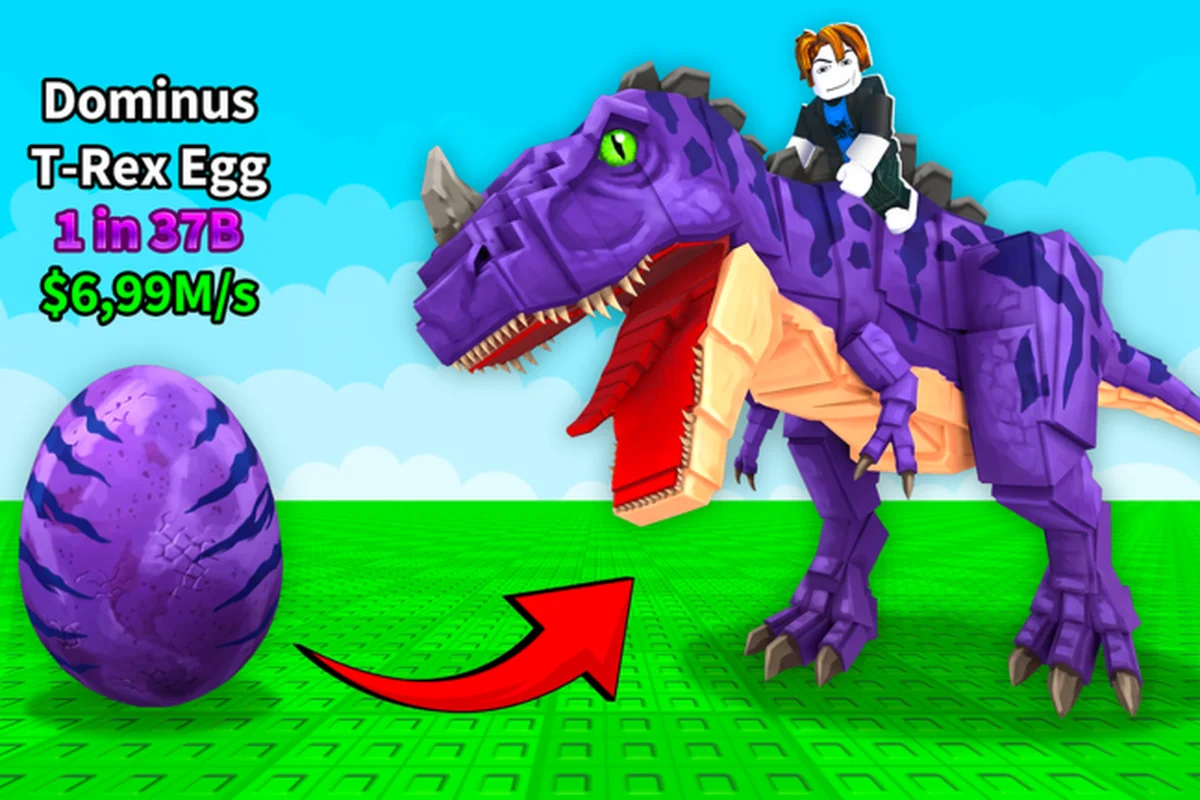
Ride a Dino Beginner Guide: Hatch, Ride, Survive
Master the Ride a Dino beginner guide and learn how to hatch your first egg, mount a dino, and avoid the rookie mistakes that stall new riders.
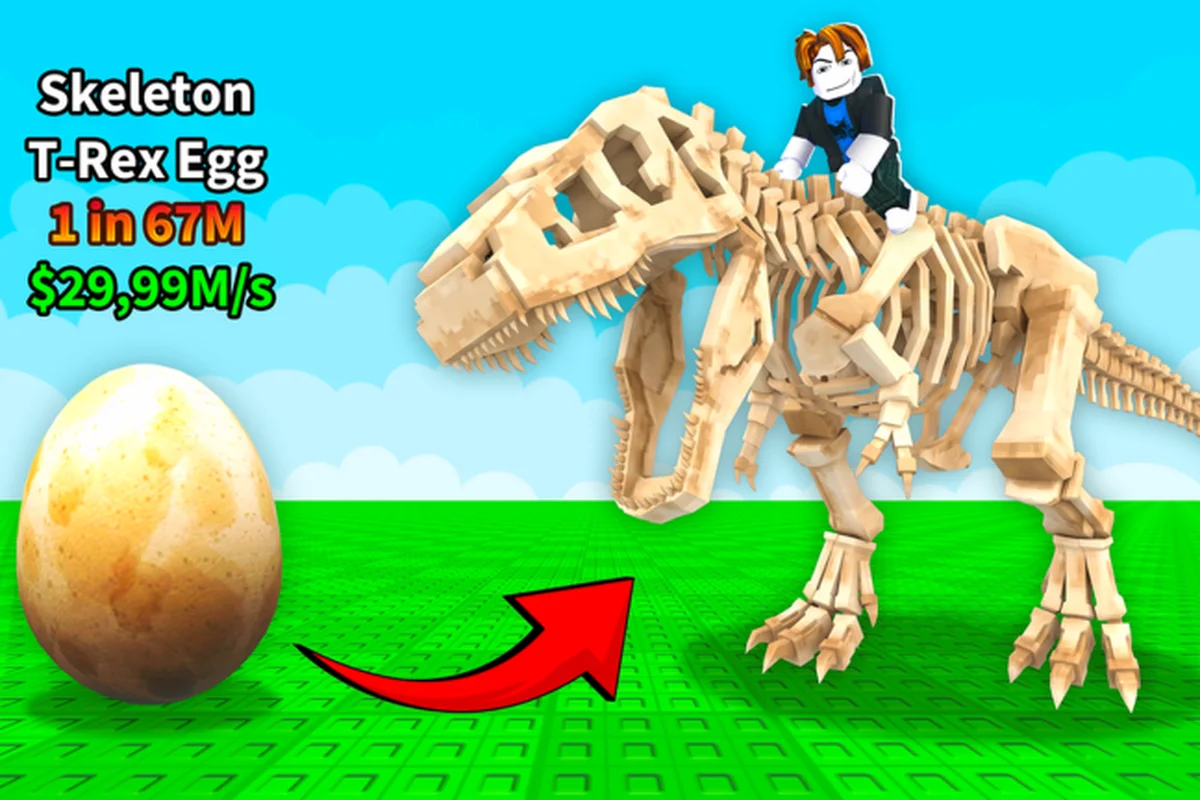
Ride a Dino Getting Started: Hatch, Ride, and Explore
Master Ride a Dino getting started with a clear beginner roadmap covering how to hatch your first dinosaur, ride it, and explore the open world map.
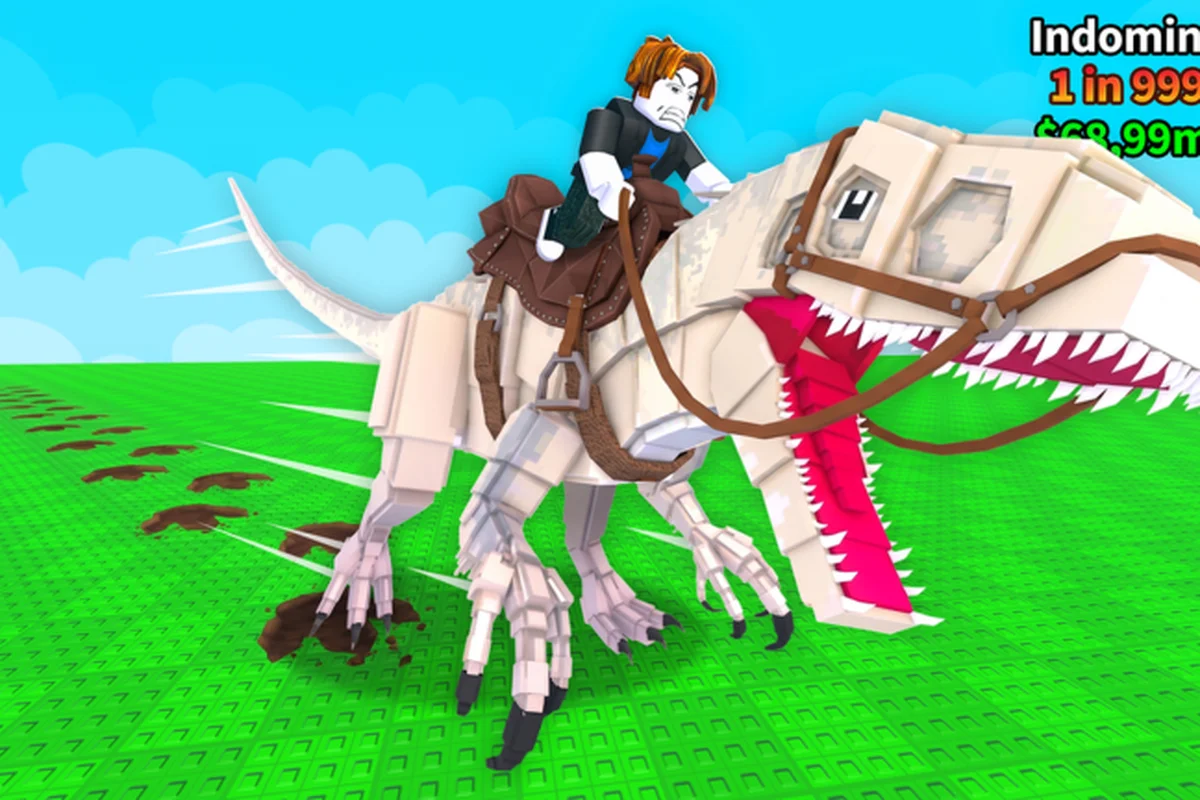
Ride a Dino Guide: Controls, Tips, and Full Walkthrough
Master the Ride a Dino guide covering every essential control, key tips, and a full walkthrough that takes you from spawn to confident dinosaur rider.
All Articles
Ride a Dino Strategy Guide: Full Early and Mid-Game Plan
Master the Ride a Dino strategy guide with a full plan for hatching, riding, and mutating your dinosaur through the early and mid-game progression.
Ride a Dino What to Do First: A Clear First-Hour Roadmap
Learn exactly what to do first in Ride a Dino, from spawning your starter dino to unlocking riding controls and stepping into the open map with confidence.
Ride a Dino Speedrun Route: Fastest Unlocks for New Players
Master the Ride a Dino speedrun route and learn the fastest way to unlock new dinosaurs, gear up quickly, and skip wasted minutes as a brand-new player.
Ride a Dino Tablet Guide: Faster Movement & Map Tips
Master the Ride a Dino tablet guide and learn faster movement tricks, smart map exploration routes, and the common mistakes to skip on mobile.
Ride a Dino What to Focus on First: Best Beginner Choices
Master what to focus on first in Ride a Dino, including the best beginner dinosaur picks, early game mistakes to dodge, and how to avoid wasting time.
Ride a Dino Late Game Guide: Multiplayer, Mobile & More
Master the Ride a Dino late game guide covering private servers, co-op play with friends, and how to adapt your controls on mobile and console devices.
Ride a Dino Useful Tips: Level Faster and Progress Smarter
Master Ride a Dino useful tips that boost your leveling speed, sharpen your efficiency, and reveal what every new player should know before grinding the map.