
Speed
How speed works in Ride a Dino: hatching faster dinos, riding your quickest mount and stacking mutations to convert movement into map reach so new eggs open up.
Introduction
Speed is not a vanity stat in Ride a Dino — it is the currency that buys map. The official game description states the loop plainly: hatch dinosaurs that come out with better speed and rarity, then ride the faster ones to reach eggs that are harder to find. Read that sentence carefully and the whole progression system falls out of it. A dinosaur's speed decides which parts of the map are physically reachable within a trip, and harder to find is, in practice, further out. Until your mount can cover the distance, certain eggs are not a skill problem and not a luck problem; they are out of range. That is why players treat speed as the first thing to fix and rarity as the thing that makes the fix worth showing off. Mutation sits on the same axis rather than beside it — the game states that mutating a dinosaur boosts its speed even more, so the two speed sources compound into the same reach. As of the 2026-10-18 data capture, Ride a Dino had drawn 2,571,433 visits, held 27,951 favorites and ran at roughly 2,490 concurrent players, so there is a large pool of players comparing mounts against each other. What that pool cannot do is compare numbers, because the game publishes none: no base speeds, no multipliers and no cap. Every specific speed figure you encounter should be treated as unverified until the game itself states it.
Speed Levers and What Each One Unlocks
| Speed Lever | Where It Comes From | What It Unlocks | Decision Rule | Status |
|---|---|---|---|---|
| Hatch base speed | Hatching the hidden Dino Eggs you find while exploring the map | The baseline your mount is built on, because the game confirms hatching yields better speed and rarity over time | Compare the hatch with the dinosaur you are riding today; if it is slower, it is collection material rather than progression material | Confirmed |
| Mount selection | Choosing which dinosaur in your roster you actually ride | The outer reach of the map that your slower mounts cannot cover in a single trip | When you feel route-limited, sort by speed first and rarity second | Confirmed |
| Mutation | Mutating a dinosaur you already own, which the game states boosts speed | Extra speed layered onto a baseline you have already tested out in the field | Apply it to the mount you use; a speed boost on a dinosaur you never ride changes nothing | Confirmed |
| Reach budgeting | Planning routes around the reach of your current mount | Eggs that are out of range this week and in range after one upgrade | If a run fails because you ran out of map rather than out of time, upgrade before hunting again | Confirmed |
| Published speed values | Nothing, because the game publishes no figures at all | Nothing, since there is no official base value, multiplier or cap to plan against | Treat every specific speed number you read elsewhere as unverified until the game itself states it | Not published |
Speed Progression Cards
Base Speed From Hatching
Where the first gain comes from
Riding The Fastest Mount You Own
Convert your roster into distance
Mutation As A Second Layer
Stacking speed onto a known mount
Turning Speed Into Map Reach
The core conversion of the game
Is This Speed Gain Worth The Trip
A judgement call, not a formula
Server And Platform Movement Notes
What is confirmed and what is not
Core Mechanics
The mechanic that matters is that every speed gain in Ride a Dino feeds the same loop rather than sitting beside it. Hatching produces a dinosaur with a base speed; riding that dinosaur converts the base speed into actual distance covered; distance covered decides which hidden eggs you can physically reach; and mutating pushes the base speed up again so the reachable ring widens a second time. There is no parallel upgrade path competing for your attention, because the official description names speed as what hatching improves and what mutation boosts, and it names nothing else. Because the game publishes no values, the loop has to be judged relatively: you compare your new hatch against the mount you are currently riding, not against a table of numbers. That is a feature rather than a gap. A relative read keeps working after an update changes values, and it keeps you focused on the only question that has an answer inside the game, which is whether the dinosaur in front of you beats the one underneath you.
Advantages
Speed is the cleanest thing to optimise in this game because the official description draws a straight line from it to a reward. Ride faster dinosaurs and you reach eggs that are harder to find, so the benefit is not cosmetic, it is access. That makes speed upgrades self-financing in a way most progression systems are not: the faster mount opens eggs that produce better mounts, which in turn open further eggs. Mutation layers onto the same axis instead of creating a second currency to manage, so a player who commits to speed is never splitting effort between competing tracks. It is also the most portable knowledge in the game. Route planning, judgement calls about whether a trip is worth it, and the discipline of comparing a hatch against your current mount all survive a rebalance, a new egg or a rename. Finally, because the game is explicit about speed and silent about almost everything else, speed planning is the one area where a new player can act on confirmed information rather than on community guesswork.
Challenges
The honest weaknesses start with transparency. Ride a Dino publishes no base speeds, no mutation values and no maximum, so nothing you read about a specific figure can be verified against the game itself, including anything on this page. Progress has to be measured by feel and by whether an egg actually becomes reachable, which is slow and imprecise. The second weakness is that speed has no ceiling you can plan against. Without a published limit you cannot know whether the next hatch is a meaningful step or a rounding error, and you cannot tell whether further investment is still paying off. Third, speed competes with collection. A dinosaur that is slower than your current mount still has collection value, and a player who only ever chases speed will shelve rarer hatches that other players would keep. Fourth, the game is only weeks old, created 2026-09-18 and last updated 2026-10-12 at the time of the data capture, so any speed judgement you settle on now is provisional and may be invalidated by the next update.
Frequently Asked Questions
Does Ride a Dino publish speed stats, maximums or multipliers?+
Which matters more, a faster hatch or a rarer one?+
How do I tell whether an egg is out of range or just well hidden?+
Should I mutate a dinosaur before or after I find a better hatch?+
Quick Tips
Judge every hatch against your current mount, never against a number you read online. The game publishes no speed values, so the only reliable comparison is the dinosaur you are riding right now. That keeps your decisions grounded: if the new hatch is faster, it is an upgrade; if it is slower, it belongs in the collection regardless of how it looks. It also means a rebalance cannot invalidate your method, only your current roster.
Fix the failure before you buy the upgrade. If a hunt keeps failing, work out whether you are running out of map or running out of luck. A range problem is answered by a faster mount or by a mutation; a search problem is answered by a better route or by the Infinite Radar pass, which always points at the nearest egg and removes the wandering. Spending speed on a search problem wastes the upgrade, and spending route work on a range problem wastes your session.
Mutate the mount you use, not the trophy you keep. A speed boost is only worth anything if it is attached to the dinosaur you actually ride, because the benefit is measured in distance covered. A rare but shelved dinosaur with a mutation changes nothing about where you can go. Keep your mutation effort on the working mount and let the rarer finds serve the collection, which is a goal the game names alongside speed.
Write down what your speed changes and when it changed. Because Ride a Dino is weeks old, created 2026-09-18 and last updated 2026-10-12 as of the 2026-10-18 data capture, the game is still moving, and a note saying that a route was out of range before an upgrade is worth more than any borrowed figure. If a later update changes how movement feels, dated observations are the only way to know what actually shifted.
Featured
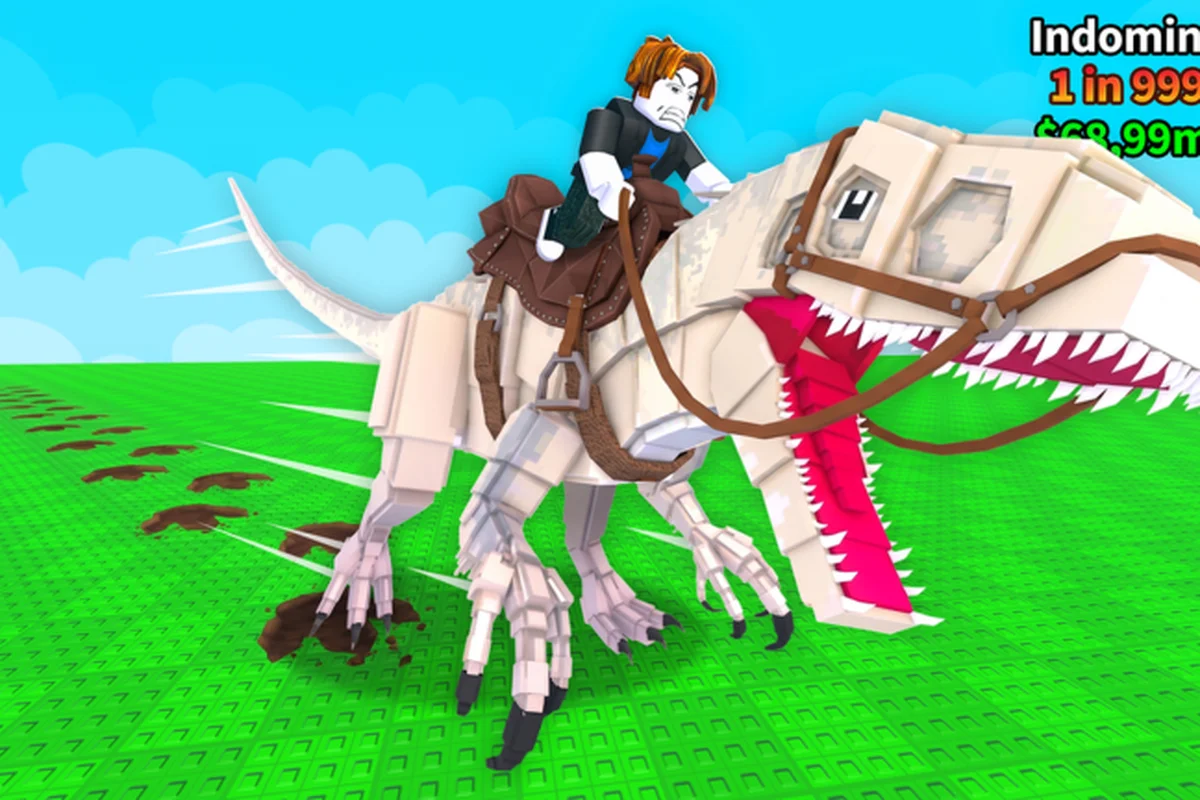
Ride a Dino Speed Guide: How to Get Faster Step by Step
Master the Ride a Dino speed guide with clear steps to boost movement speed, pick the right mount, and shave time off every trip across the open map.
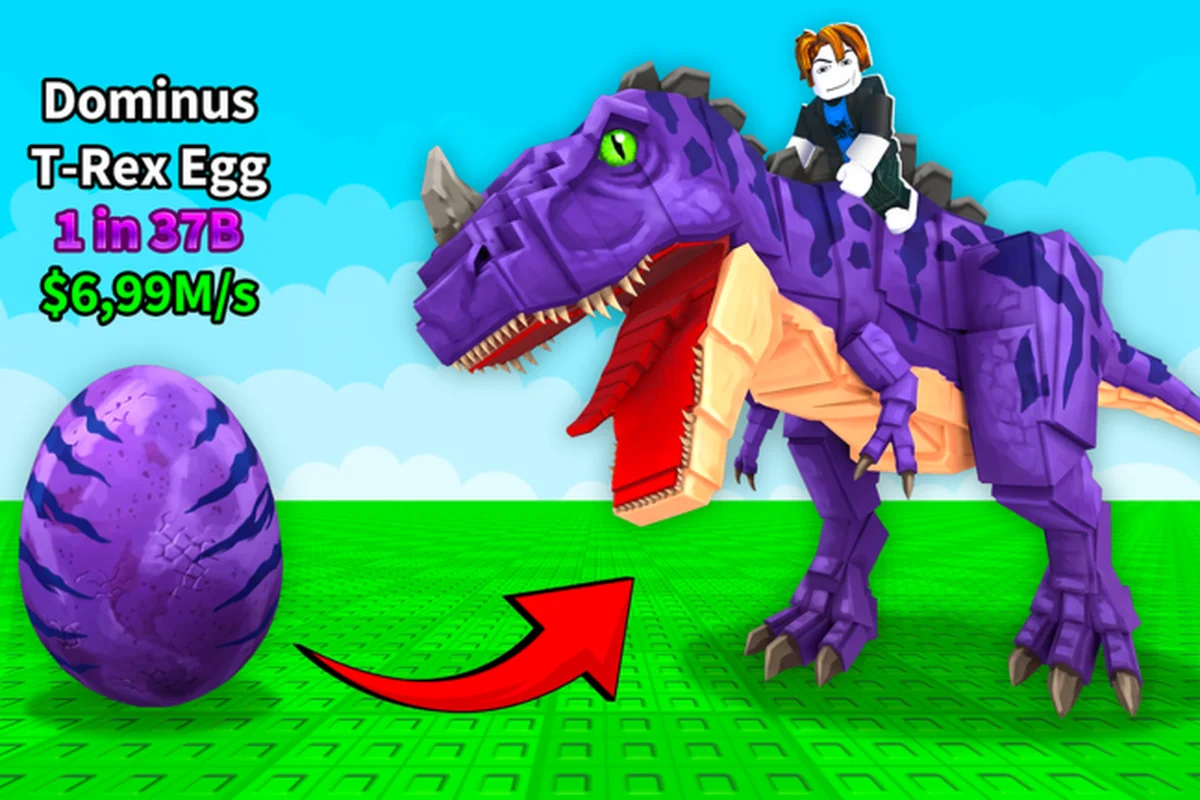
Ride a Dino Speed Meta: Stacking, Optimization & FAQ
Get answers to the biggest Ride a Dino speed meta questions, learn how mutations stack with gear, and optimize your mount for the fastest possible run.
Ride a Dino Speed Upgrade: Tier Curve, Cap & Best Sources
Explore every Ride a Dino speed upgrade source, follow the tier curve from base mounts to the cap, and learn which boosts are worth chasing first.
All Articles
Ride a Dino Dino Speed Guide: Rarity vs Mutation Compared
Compare Ride a Dino dino speed across rarities and mutations to see which combo delivers the fastest, most reliable mount for your playstyle.
Ride a Dino Reaching Far Eggs: Fast Routes to Hidden Nests
Reach hidden nests faster in Ride a Dino with movement tips, speed routes, and exploration tricks that turn the hardest-to-grab eggs into quick pickups.
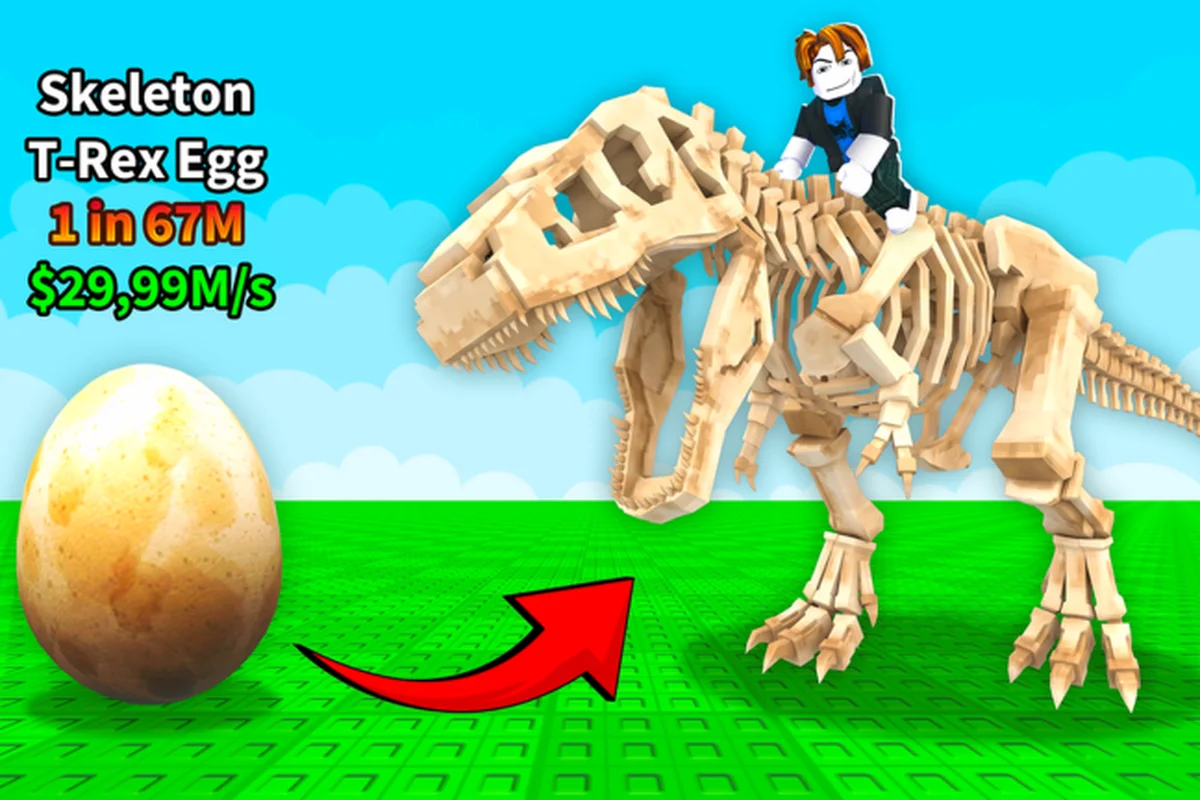
Ride a Dino Speed Chart: Reading a Mount's Movement at a Glance
Use the Ride a Dino speed chart to rank every mount, compare priorities for exploration, and find the fastest dino to chase for unlocking eggs.
Ride a Dino Speed Multiplier: How to Stack It for Max Speed
Break down the Ride a Dino speed multiplier, learn which sources stack together, and build a setup that pushes your dino toward true max speed.