
Collection
Keep or ride? How to judge a rare hatch, build a keeper list and your own tracking log, and keep collecting without stalling the speed climb.
Introduction
Ride a Dino's official description asks you to do two things that pull in opposite directions: ride the fastest dinosaur you can find, and collect rare dinos to build out your collection. Those are not the same dinosaur. A mount is a tool, and it exists to cover ground and reach eggs that slower dinos cannot reach at all. A keeper is a record, and it exists because it came out of a hatch rare enough to be worth remembering, even if it is never the thing you actually ride. Collectors usually run into trouble at the exact point where they stop separating the two, and start treating every rare hatch as their next main mount. This guide is about that separation. It covers how to decide what earns a permanent place on your keeper list, how to decide what stays in the ride rotation, why rarity and speed ask for your time in different ways, and how to keep collecting without stalling the speed climb that unlocks deeper parts of the map. One honest constraint shapes all of it: the game does not publish a dinosaur index, a rarity table, or a roster limit. The practical index is one you keep yourself, and the rest of this guide is built around making that log cheap enough that you actually maintain it.
Keep Or Ride: Collection Decision Points
| Decision Point | What It Protects | What It Costs You | Retention Priority |
|---|---|---|---|
| Keeping a rare hatch | The record of a hatch you may never see again, captured while you remember exactly where it came from | A permanent place on your keeper list, and the attention that place would otherwise get from a faster dino | S |
| Using a rare hatch as your daily mount | Your reach only if that particular dino also happens to be quick, which the game never promises | The one-of-a-kind hatch becomes equipment, and equipment gets judged on speed rather than on being rare | C |
| Retiring a slow keeper from the ride rotation | The speed climb keeps moving, while the record itself stays logged and unchanged | Nothing permanent, provided the entry lives in your own notes rather than only in your memory | A |
| Logging a hatch before you decide | Your history, in a game that publishes no index for you to check it against later | A minute of bookkeeping on every egg, including the ones you already know are not keepers | active |
| Chasing rarity in the middle of a speed push | Long-term collection value, which is the one goal the official description names outright | Exploration depth right now, because you are riding something other than your fastest dino | B |
| Chasing speed while a rare hatch is in front of you | The ability to reach harder-to-find eggs later, once your mount is genuinely faster | The chance at a rare you may not cross paths with again soon, since eggs are hidden rather than listed | C |
Collector Habits
The Keeper List
Permanent Roster
The Ride Rotation
Your Working Mounts
The Rare Hatch Verdict
Decide On The Spot
The Field Log
Your Own Index
The Speed Tax
What Collecting Costs
The Completion Question
Defining Done
Core Mechanics
The collection layer sits on top of the egg loop rather than beside it. Eggs are hidden in the map, hatching converts an egg into a dinosaur that is better in speed and rarity than what you had, and riding speed is what lets you reach eggs that are harder to find. Collecting is the part of that loop that does not feed back into speed directly: a rare hatch is a record, and the official description names building out your collection as a goal in its own right. The mechanical friction is that the game publishes no index. There is no in-game list of every dinosaur, no named rarity levels, no odds, and no roster limit, so you cannot measure a hatch against an authority. What you can measure it against is your own history, which is why the practical mechanic of collecting in Ride a Dino is bookkeeping rather than browsing. A log converts a series of one-off hatches into a comparable record, and a comparable record is what lets you make two decisions well: which hatch earns a permanent place, and which dino you mount for the next hour. Those two decisions use different criteria on purpose. The mount is chosen on speed because speed is the only stat the game confirms and the only one that changes what you can reach. The keeper is chosen on distinctiveness, because the only thing a keeper has to do is preserve information you would otherwise lose. Mutation interacts with both: it raises a dinosaur's speed, so a mutated keeper can be promoted into the rotation without stopping being a record. Treat mutation as the bridge between the two lists rather than as a reason to collapse them.
Advantages
Collecting gives the rest of the loop somewhere to point. Speed on its own is a number that goes up; the official description pairs it with an actual goal, which is collecting rare dinos and building out your collection. That pairing matters because it means a session where you did not get faster can still have been productive. A rare hatch that is slower than your mount is a wasted ride but not a wasted session, provided you logged it. Collecting is also the part of the game least exposed to your own speed ceiling. Egg hunting is gated by how far your fastest dino can travel, so a player who has stalled on speed stops finding new ground. A keeper list has no such gate: it grows from what you have already found, which means the collection keeps developing during a slow stretch. There is a strategic benefit too. Ride a Dino is roughly a month old and has already been updated at least once, so the set of dinosaurs and whatever rarity means in practice can shift. A written record is the only thing that survives that kind of change intact, because it describes what you actually hatched rather than what the game currently says exists. Finally, collecting is cheap to start. It needs no game pass, no currency and no special mount, only the habit of writing a hatch down before you move on.
Challenges
The honest problem with collecting in Ride a Dino is that you are collecting against an unpublished roster. You cannot tell whether a hatch is objectively rare, because the game names no rarity levels, publishes no odds, and lists no dinosaurs. Everything you conclude about rarity is a judgement about your own experience, and a player who has hatched forty eggs and a player who has hatched four hundred will make that judgement differently with the same dinosaur in front of them. That uncertainty cuts both ways: you can hoard something ordinary because it felt special the first time you saw it, and you can let something genuinely unusual go because you had no way to recognise it. There is also a real time cost. Eggs are hidden in the map, so finding them is exploration rather than a menu action, and exploration is exactly the activity that speed improves. Every session spent broadening the collection is a session not spent deepening the reach that would unlock harder eggs. The two goals compete for the same minutes, and neither one is signposted as the correct priority. Add that Ride a Dino is a young game, updated as recently as 2026-10-12 against a 2026-09-18 launch, and any rarity judgement you make now is provisional. A collector who treats early conclusions as settled will be wrong about something.
Frequently Asked Questions
What is the difference between a dinosaur you ride and a dinosaur you keep?+
How do I know if a rare hatch is worth a permanent place in my collection?+
Why do rarity and speed pull my time in different directions?+
The game has no published dinosaur index. How do I track a collection without one?+
Quick Tips
Write the entry before you mount the dino. The single highest-value habit in a collection with no published index is recording a hatch while you still remember the egg it came from, because the eggs are hidden in the map rather than listed anywhere. One line is enough: where you found it, how quick the dino felt, whether it struck you as rare, and where you filed it. Sessions blur together fast in a game built on movement, and a hatch you cannot describe a week later has effectively been deleted from your own history even though the dino is still there.
Give each dinosaur one job. A mount is judged on speed, because speed is the only stat the official description confirms and the only one that changes which eggs you can reach. A keeper is judged on distinctiveness, because the only thing a keeper has to do is preserve a record. Riding a rare hatch because it is rare, or keeping a fast one because it is fast, quietly swaps the criteria and leaves you with a rotation full of dinosaurs chosen for the wrong reason. Assign the role when you decide, and revisit it whenever your fastest mount changes.
Let mutation move dinos between the lists instead of merging the lists. Mutation raises a dinosaur's speed, which means a keeper you logged months ago can be promoted into the ride rotation once it is boosted, without it stopping being a record of the hatch that produced it. That is the cleanest way to avoid the collector's trap of hoarding dinosaurs you never ride. If a keeper cannot be made fast enough to earn a rotation slot, it stays a log entry, and the slot goes to something that actually covers ground for you.
Set your completion bar as coverage rather than a number. Ride a Dino publishes no roster, no named rarity levels and no total count, so any completion target you invent is a guess about the game rather than a fact about it. A more useful definition is the point where a new hatch stops teaching you anything, because you can already tell whether it belongs in the keeper list without checking your notes. That is real progress and it is measurable. Count distinct entries in your log rather than dinosaurs owned, and watch whether new egg spots are still producing new kinds of hatch.
Featured
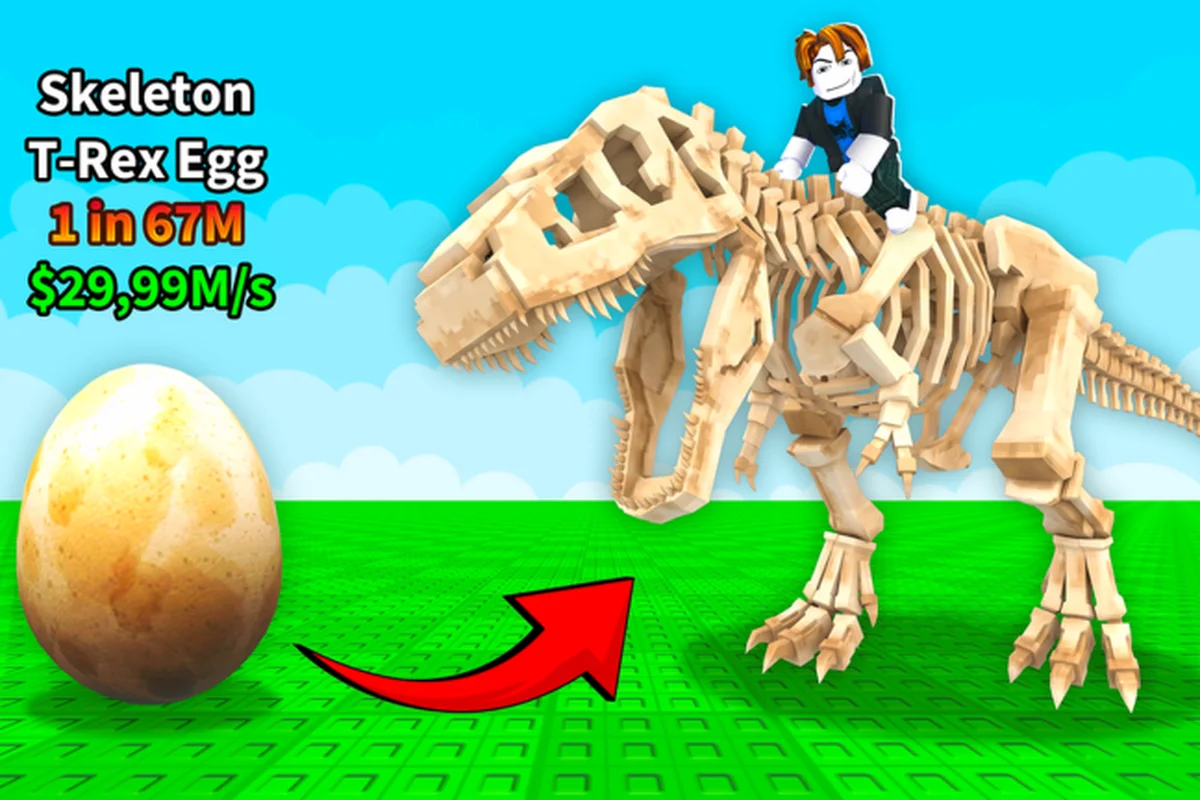
Ride a Dino Collection Guide: Build a Full Dino Roster
Follow the Ride a Dino collection guide to track every rare dino, prioritize which mounts to chase first, and complete your collection without wasting time.
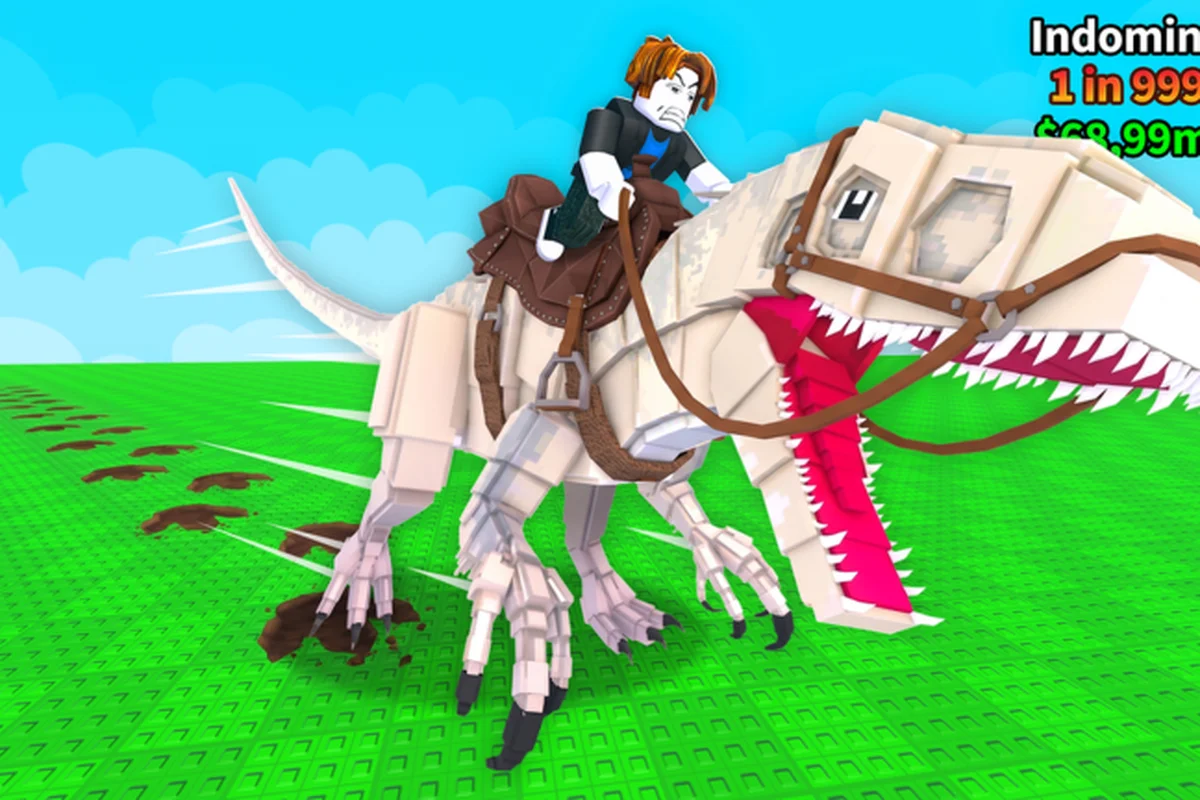
Ride a Dino Collection Progress: What to Collect First
Track your Ride a Dino collection progress with a clear plan for rare dinos, smart priorities for new players, and tips to keep every hatch safe.
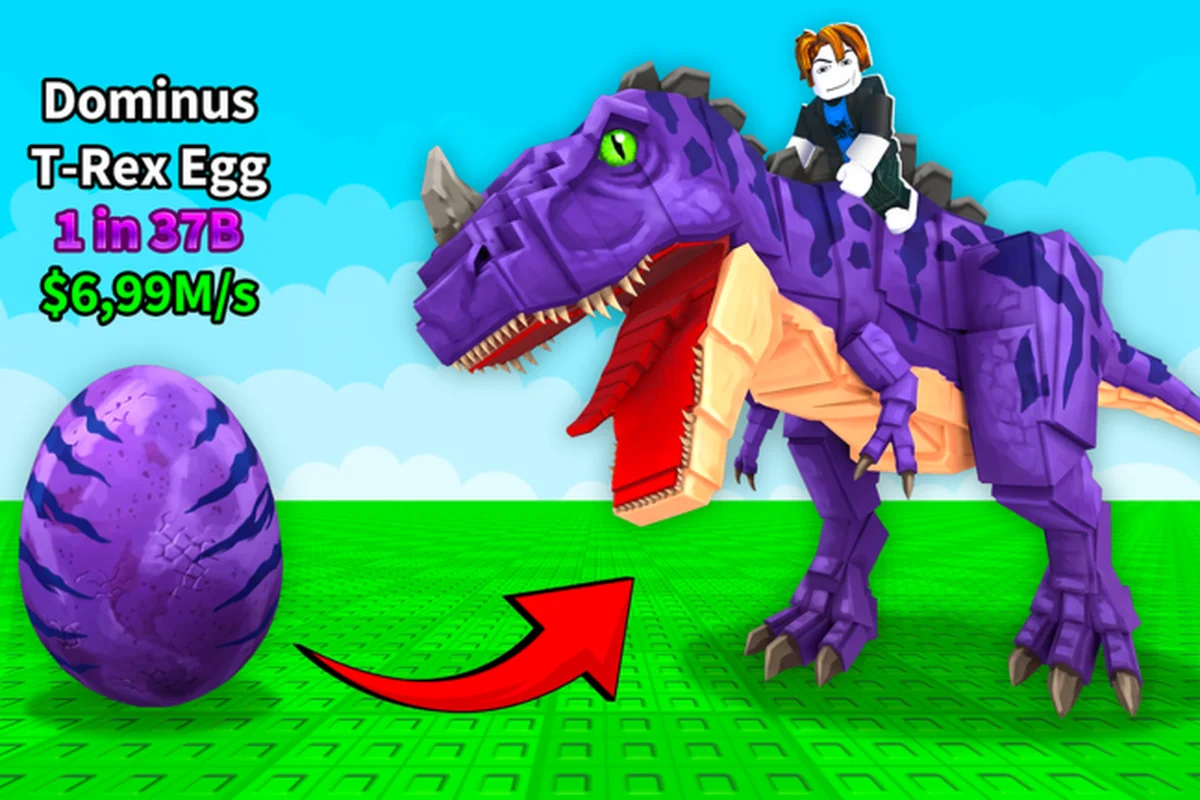
Ride a Dino Collection vs Speed: Which Path Should You Prioritize
Compare Ride a Dino collection vs speed paths to see whether chasing every dino or grinding the fastest mount gives you better long-term progression.
All Articles
Ride a Dino Rarity Hunting: Track and Catch Every Rare Dino
Master Ride a Dino rarity hunting with a clear checklist of rare spawn locations, farming tips, and strategies to fill your catalog with every elusive dino.
Ride a Dino All Dinos Checklist: Complete the Full Roster
Follow the Ride a Dino all dinos checklist to track every species, learn rare dino odds, and finish your collection with efficient hunting routes.
Ride a Dino Best Dinos to Keep: Smart Picks for Your Roster
Discover Ride a Dino best dinos to keep, learn which mounts hold long-term value, and build a collection strategy that balances progression with showcase appeal.
Ride a Dino Dino Log: Track Every Hatch and Collection Milestone
Use the Ride a Dino dino log to record every hatch, plan long-term collection goals, and measure your endgame progress across the full roster.